Dacia Striker: Stylish and sturdy?


With the new Striker, Dacia is attacking a part of the market where European family estates have become noticeably more expensive, heavier and, in many cases, less distinctive. The 4.62-metre lifestyle wagon is set to start below 25,000 euros, with hybrid, hybrid 4x4 and LPG versions confirmed. That places it as a deliberately down-to-earth alternative to far costlier C-segment cars. A full unveiling is scheduled for June 2026, while availability is expected from late 2026 or early 2027 depending on the market.
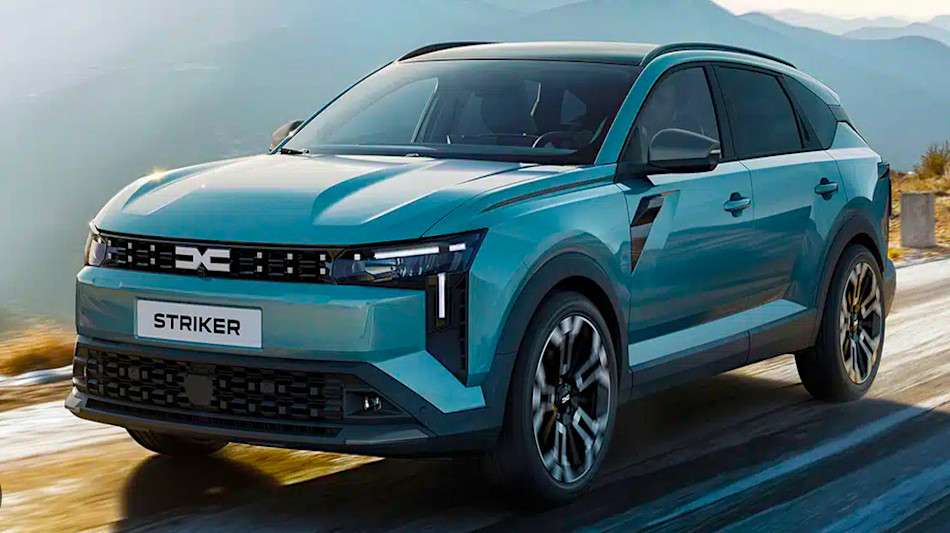
The images released so far already make Dacia’s ambition clear. The Striker is not meant to be a dull load carrier, but a car with presence. Its stretched aerodynamic profile, raised ride height and almost shooting-brake-like silhouette give it character without making it look bloated. The upright front end, new daytime running light signature and glossy black element linking the rear lamps show that Dacia wants to sell more than price alone in this class. The Striker looks more deliberate, more modern and more carefully drawn than many of the brand’s earlier generations.
That is exactly why the key question matters so much: can the Striker back up its design promise with convincing quality? For now, caution is essential. The model has only been shown in an early reveal. Full information on the cabin, equipment and final technical data is still to come. Any definitive judgment on materials, ergonomics, noise insulation and long-term quality would therefore be premature in March 2026.
Even so, some trends are visible. Over the last product cycles, Dacia has worked hard to make simple no longer feel cheap. The brand’s newer vehicles look tougher, more mature and better put together, even though they still avoid excessive soft-touch materials, theatrical luxury and unnecessary complexity. That is probably how the Striker will define quality as well: not as a premium product, but as an honestly engineered car that puts durability, space and everyday usability above decorative gloss.
Public reaction is therefore mixed, but broadly favourable. The silhouette has won praise, as has Dacia’s willingness to back a wagon at a time when SUVs dominate the market and the promise of a starting price below 25,000 euros. At the same time, familiar doubts keep surfacing. Will the strong exterior design be matched by a cabin that does not feel obviously cost-cut? Could the sleeker rear section compromise rear visibility? And why is such a modern family car not launching as a full EV from the outset? These are fair questions, yet they do not weaken the strength of the first impression.
In the end, the Striker currently promises one thing above all: Dacia no longer wants to be seen in the C segment as merely sensible, but also as desirable. On design alone, the new wagon already delivers. Whether that turns into real quality strength will depend on the seats, controls, acoustic refinement and day-to-day feel once the full car is revealed. As things stand, there is every indication that the Striker will carry Dacia’s formula of robustness, usefulness and value into a more mature phase. Buyers expecting premium polish will probably still have to spend more elsewhere. Buyers who value honest quality over luxury should watch the Striker very closely.