G20 trade officials meet under shadow of tariffs, overcapacity / Photo: Jim WATSON - AFP/File


G20 trade ministers are set to open talks Wednesday in the United States, in meetings strained by President Donald Trump's tariffs as Washington targets partners regarding forced labor and overcapacity.
The gathering of officials from the Group of 20 major economies -- which includes China, India, Russia, Japan, Germany and France -- takes place in the Midwestern city of Milwaukee.
But analysts expect the two days of talks to be deadlocked as Trump's tariffs weigh on relationships while China rejects concerns about its exports, which critics see as driven by excess industrial capacity.
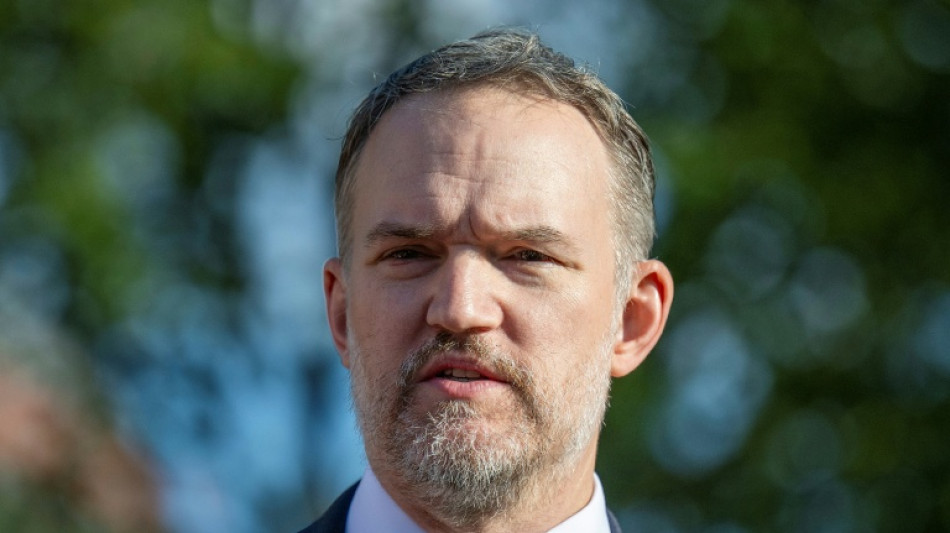
US Trade Representative Jamieson Greer defended Washington's approach at a Tuesday roundtable in Milwaukee, saying the administration "is not anti-trade."
He added that countries are facing similar challenges with global overcapacity and "non-market policies."
This week, key US trading partners like Canada and the European Union are also expected to push for deeper trade ties outside the United States.
"Don't expect any breakthroughs in Milwaukee," Josh Lipsky of the Atlantic Council think tank told AFP, noting Trump's preference for bilateral negotiations.
Even as G20 partners will be anxious to find ways to cooperate with the world's biggest economy, "they will also be under pressure to voice their concerns with tariffs," added former US trade official Wendy Cutler, now at the Asia Society Policy Institute.
The United States holds the rotating presidency of the G20, which comprises 19 nations plus the EU and the African Union.
— 'Unfairly targeted' —
Trump has unleashed a barrage of tariffs on trading partners since last year, separately targeting sectors like steel and autos.
Although the Supreme Court struck down Trump's country-specific tariffs in February, Washington has since alleged insufficient action against forced labor to slap new tariffs on 60 economies.
These include China, India and the EU.
The president's sectoral duties remain intact too, straining ties.
And Washington is investigating 16 partners over excess industrial capacity, a complaint commonly levied at China. Critics say this floods markets, unfairly suppressing prices.
But ongoing US probes go beyond the world's number two economy, bringing the threat of more tariffs to the EU and G20 countries like Japan and South Korea.
Cutler expects some countries will "mince no words" regarding the investigation, feeling "they are being unfairly targeted."
China "will continue to deny the issue of exporting overproduction," by trying to convince others that it is doing good by providing high-quality and low-priced goods, she said.
"This will be a hard sell," Cutler told AFP, as countries see employment and commercial fallout from waves of Chinese imports.
"Meanwhile, members are wondering how much they should agree to with the Trump administration, given trade policy could change in the US after 2028," Lipsky said, referring to the next US presidential election.
— Diversifying —
With Trump's trade wars, all eyes are on G20 members' efforts to deepen trade ties outside the US, or strike deals with his administration.
Canada and the EU are expected to try and boost trade and investment with others, as a spat between Ottawa and Washington intensifies.
Canada's international trade minister Maninder Sidhu stressed Ottawa's support for "open, predictable and rules-based trade."
He plans to speak with partners to "reinforce a multilateral trading system," as officials try to diversify an economy they see as too reliant on an increasingly protectionist United States.
Others like India could finalize a long-awaited trade deal with the United States. Observers are also monitoring for signs of further pressure on Iran.
Outside the G20, workers and activists are protesting what they see as the Trump administration's broken promises to improve conditions for workers, farmers and smaller businesses.
John Drew, who chairs the political arm of the United Auto Workers union in Wisconsin, laments the loss of manufacturing jobs in the state.
While the UAW does not rule out using targeted duties to protect jobs, he said, Trump's sweeping "use of tariffs has done nothing to bring back jobs and rebuild manufacturing."
A.Andersson--StDgbl