Polestar Unveils Formula 2030 Concept Car to Signal Future Design Direction


Polestar has unveiled the Formula 2030 concept car, a low-slung, wide-profile vehicle designed to showcase the brand’s evolving aesthetic. The prototype introduces distinctive lighting signatures and a customizable interior interface that will soon appear in production vehicles, including the next-generation Polestar 2 and the upcoming Polestar 7.
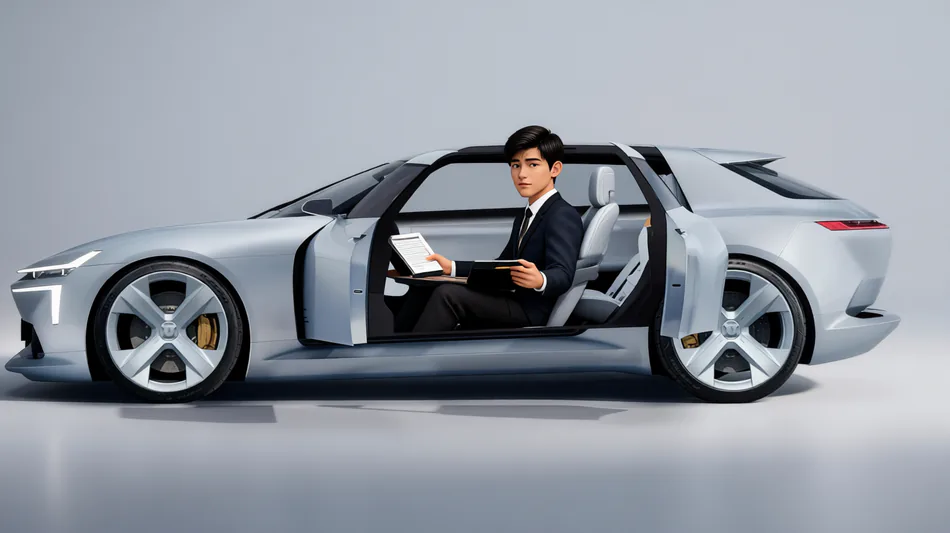
Polestar, the Swedish electric vehicle manufacturer, has revealed the Formula 2030 concept car, a prototype designed to articulate the brand’s future design language. The vehicle presents a low, wide profile that resembles an estate car more than the crossovers or SUVs currently dominating the company’s lineup. According to Polestar executives and its head of design, Philipp Römers, several elements of the concept will transition directly into production vehicles in the near term.
The most immediate application of these design cues is expected on the revamped Polestar 2, scheduled for release next year. The prototype features a front lighting signature described by Römers as "dual blades." These vertical light elements are intended to become a defining characteristic of the brand’s identity, providing an unmistakable visual presence at any time of day.
Moving to the rear of the vehicle, the design shifts to a single horizontal blade. This element is slated to debut on the Polestar 7, a premium compact crossover planned for launch in 2028. The contrast between the front’s dual blades and the rear’s single blade highlights the flexibility afforded by modern lighting technologies, allowing designers to create distinct visual identities for different vehicle segments while maintaining brand coherence.
The concept car also features clamshell-style doors that open to reveal an expansive greenhouse of glass. This design choice allows a clear view of the interior, which departs from the trend of heavily tinted windows often used in concept vehicles to hide incomplete cabin details. Inside, the focus is on tactile interaction and customizable controls.
A central feature of the interior is a bank of physical buttons and switches designed with a plug-and-play functionality. Römers described this system as "mechatronic," allowing users to insert, remove, and swap control modules easily, similar to plugging electronics into a power strip. This approach aims to reintroduce tactile feedback in an automotive segment increasingly dominated by touchscreens.
The concept’s touchscreen is notably smaller than those found in current production cars, reflecting a deliberate shift toward Scandinavian minimalism. The physical switches were designed with an aesthetic reminiscent of high-end guitar amplifiers, adding a layer of industrial design flair to the cabin. This balance between digital interface and physical control addresses concerns about usability, particularly when adjusting vehicle functions like air conditioning while driving at highway speeds.
Polestar’s ability to pursue such ambitious design directions is supported by its corporate parent, Geely, the Chinese automotive giant. Executives noted that Geely’s backing provides the financial latitude and creative freedom necessary for Polestar to develop its own distinct path without being constrained by the immediate production limitations that typically affect concept vehicles.
While the Formula 2030 itself will not enter production, its design DNA will influence future models. The vehicle serves as a visual manifesto for Polestar’s commitment to blending aesthetic innovation with functional usability. As the brand continues to expand its lineup, including the upcoming Polestar 7, the Formula 2030 establishes a clear trajectory for its design evolution.
The revelation of the concept car underscores Polestar’s strategy of using prototypes to communicate long-term design goals while maintaining a connection to production reality. By previewing features like the dual-blade lighting and mechatronic controls, the company signals a shift toward more distinctive and user-centric vehicle interiors in the coming years.
A.Andersson--StDgbl